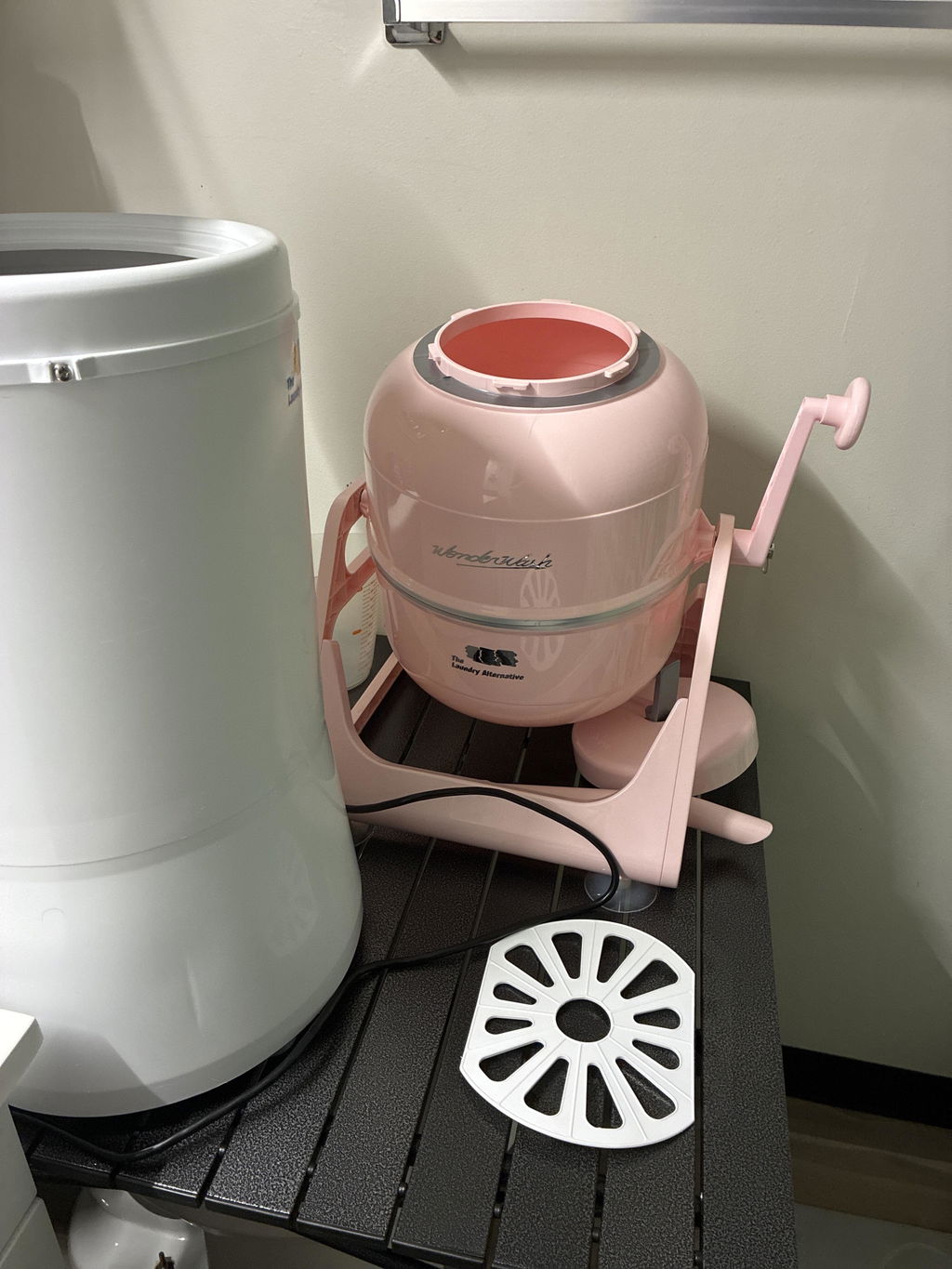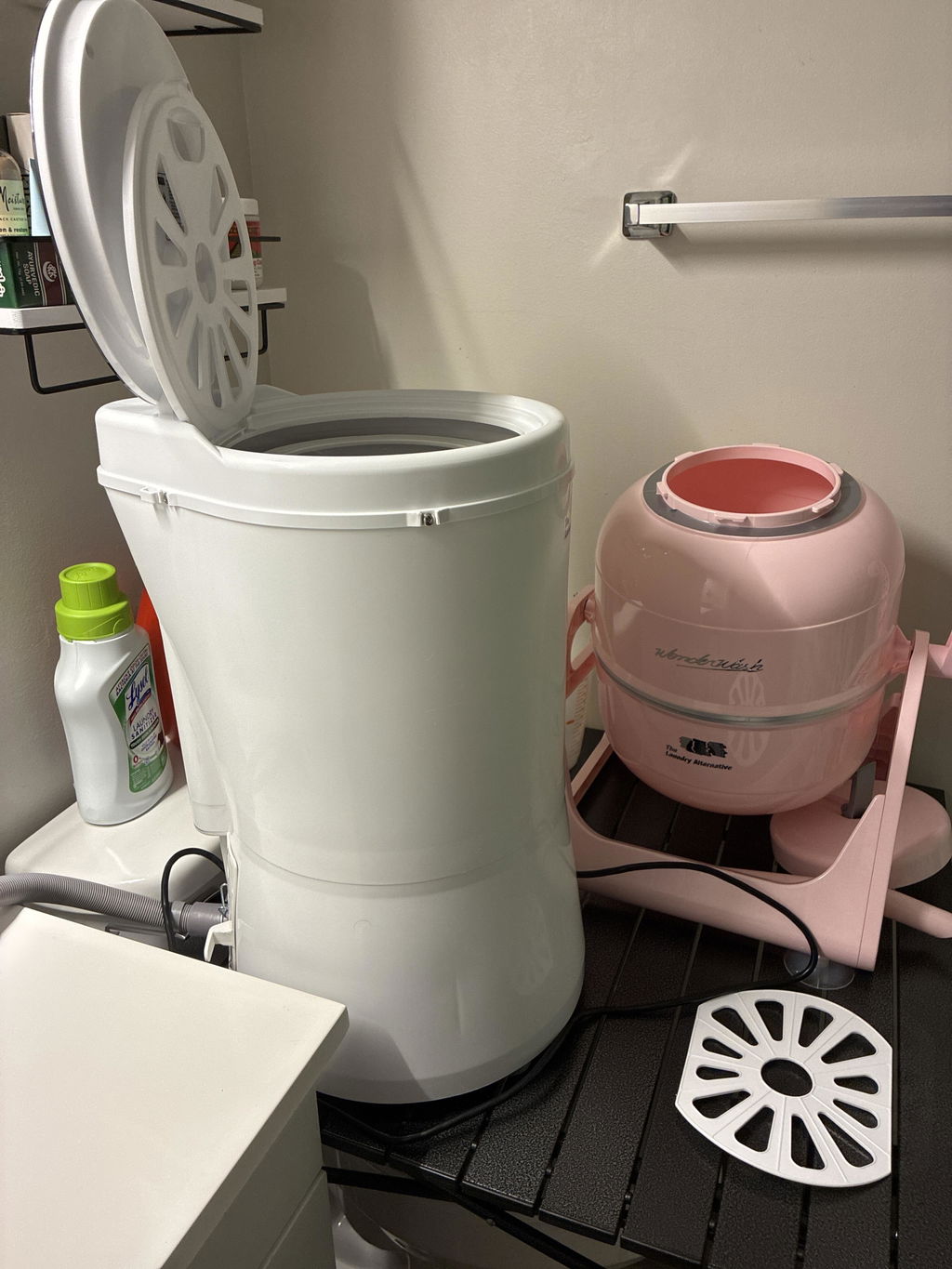


Drop! 4.4Lbs Compact Countertop Washing Machine and Spinner in One
$189.00
$158.00
SAVE 16%
ESTIMATED DELIVERY: 2-5 Days
30-Day Money-Back Guarantee

What’s Open Box?
Our Open Box units are returned products that are fully tested, fully functional, and guaranteed to perform like new.
Each item is inspected by our team, confirmed to be in excellent working condition, and includes all the essential parts and accessories.
You get:
- Same full 3-year comprehensive warranty as a new unit
- Same performance and durability
- All required components included
- Significant savings
- A more eco-friendly choice by keeping great products out of landfills
Some Open Box units may show minor cosmetic imperfections (like small scratches) or come in less-than-perfect packaging, but nothing that affects how well they work.
It’s the smart way to save, and the sustainable choice.
Description
Specifications & Instructions
Dimensions & Capacity
Capacity:
4.4 lbs.
Dimensions:
11" x 11“ x 21"
Weight:
13 lbs.
Inner spin tub dimension:
8" x 9"
Material:
Plastic, Stainless-steel drum
Features & Requirements
Power:
120V
Wattage:
150 watts
Spin speed:
1550 RPM
Wash time:
15 minutes, 10 minutes, 5 minute
Spin time:
5 minutes, 3 minutes, 1 minute
Download the instructions document below.
INSTRUCTIONS PDFCapacity & performance
Who it’s for
Returns & guarantee


STEP 1
STEP 2
STEP 3


You may also like...
Grab your compact laundry essentials
Our most-loved washers and dryers solve small-space headaches fast, beautiful, efficient, and ready to use without hookups.

iWash 4.4Lbs Capacity Countertop AI Fully Automatic Compact Portable Washing Machine
$379.00
$349.00
SAVE 8%
Open Box iWash 4.4Lbs Capacity Countertop AI Fully Automatic Compact Portable Washing Machine
$379.00
$289.00
SAVE 24%